GOT MOLD ?
Don't Take Chances! Call the Top Mold
Remediation Company in Marysville and get cleaned up FAST!



Why Choose Us?
- Certified Pros
- Available 24/7/365
- Rapid Response
- Fully Licensed And Insured
- We Work With Your Insurance Company
Call Now (360) 644-5810
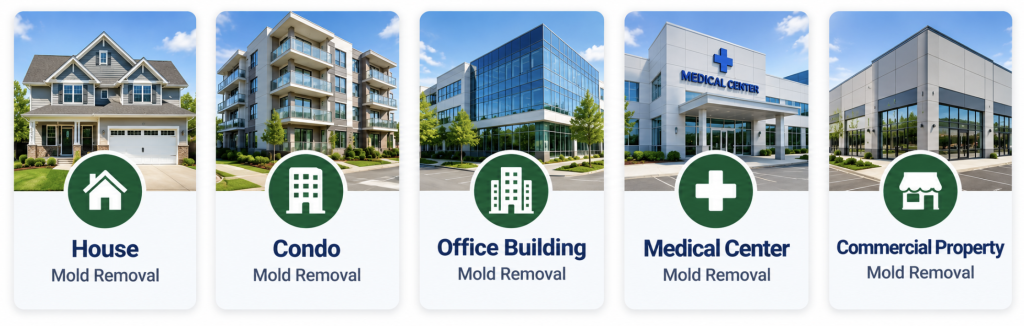
Marysville Mold Remediation Services
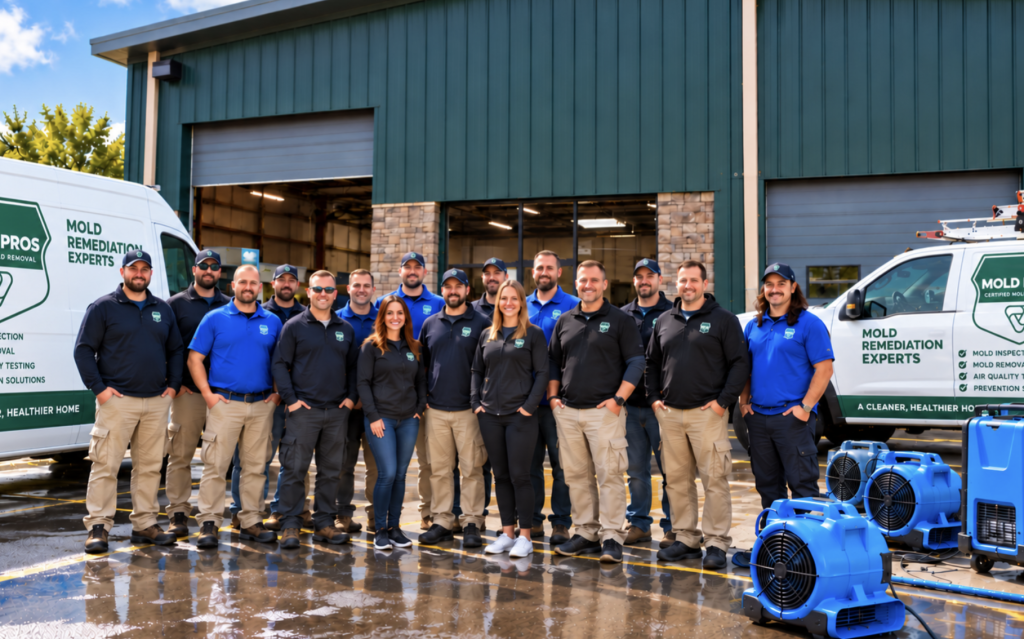
Mold can spread after a small leak, slow drain, or damp period that never fully dries. Marysville Mold Remediation Pros helps home and business owners address mold growth and the moisture that supports it. We serve properties throughout Marysville and nearby Snohomish County communities. Our work is guided by practical assessment, careful cleanup, and clear communication about what your property needs next.
Why Marysville Properties Often Need Moisture Control
- Persistent winter rain: Exterior materials can stay damp longer, especially around roofs, siding, windows, and doors.
- Roof and gutter problems: Failed flashing, clogged gutters, and roof-drain issues can move water into attics, ceilings, and wall cavities.
- Localized flooding: Properties near Ebey Slough, Quilceda Creek, Allen Creek, retention ponds, or low-lying drainage areas can face added moisture exposure.
- Crawl space moisture: Low airflow and damp soil can create conditions for mold on wood, insulation, and other nearby materials.
- Indoor condensation: Cool, damp weather can increase condensation when ventilation, insulation, or humidity control is not working well.
- Plumbing and HVAC leaks: Concealed pipe failures, condensate leaks, and mechanical-room humidity can affect floors, walls, and ceilings.
- Construction moisture: New homes, townhomes, multifamily buildings, and commercial spaces need careful drying after installation or renovation work.
These conditions can affect homes in Downtown Marysville, Lakewood, Smokey Point, and East Sunnyside-Whiskey Ridge. They can also affect apartments, condos, offices, schools, and retail properties. A visible spot is not always the full extent of a moisture problem. We look at the affected area and the conditions that allowed it to develop.
Mold Remediation for Homes and Businesses
We provide mold remediation support for residential and commercial properties. Common areas include attics, crawl spaces, walls, floors, basements, utility rooms, and mechanical spaces. In a business setting, mold concerns can also involve large roof areas, loading zones, HVAC systems, and stormwater entry points. The right response starts with understanding where moisture entered and which materials were affected.
Our work may involve professional mold cleanup, removal of damaged porous materials, drying, and steps that help limit recurrence. Porous materials are items that soak up water, such as drywall, carpet, and insulation. Some materials can be cleaned, while heavily affected materials often need removal. We explain the difference so you can make an informed decision about the property.
Containment means using plastic walls or barriers to help keep mold dust from spreading into clean areas. HEPA air scrubbers filter fine particles from the air while work is underway. These controls matter because cleanup should address the work area without creating unnecessary spread through the building. The exact approach depends on the affected materials, work-area size, access, and moisture source.
Homes and businesses do not always face the same practical concerns. A homeowner may need help with a crawl space, bathroom wall, or attic after a roof leak. A property manager may need to coordinate work around tenants, shared walls, or building operations. Commercial properties in the Smokey Point area and the Cascade Industrial Center may also have larger mechanical, warehouse, or production spaces that require careful planning.
What to Expect Before and During Cleanup
We begin by discussing what you noticed, when it started, and whether the moisture source is still active. Photos, leak information, and access details can help clarify the affected area. If a roof, plumbing line, drainage feature, or HVAC component is still leaking, that issue needs attention as part of the overall plan. Mold cleanup is less useful when the source of moisture remains unresolved.
Work planning also considers occupants, pets, furnishings, and normal business activity. We explain the work area, access needs, material concerns, and the steps used to control dust. You should ask questions before work begins if someone in the property has a health concern or special access need. For medical guidance, speak with your doctor or a qualified public-health source.
For a deeper explanation of containment, HEPA filtration, material removal, drying, job timing, and project scope, visit our mold removal and remediation service page. That page also explains how affected materials, access, and work-area size influence the work plan. We keep the homepage focused on the main decisions property owners face. You can contact us after reviewing the details that apply to your situation.
Service for Marysville and Nearby Communities
Marysville Mold Remediation Pros serves homes and businesses in Marysville and nearby communities. Our service area includes Arlington, Lake Stevens, Everett, and Tulalip. We work with different property settings, including single-family homes, townhomes, multifamily housing, offices, schools, churches, and medical facilities. Each building has its own moisture paths, materials, and access concerns.
Local conditions can shape how a moisture problem develops. Stormwater systems, culverts, drainage areas, and retention facilities matter when water reaches foundations or slab edges. New construction and infill projects also need attention when materials or enclosed spaces remain damp. These details do not replace a property-specific assessment, but they help explain why similar-looking mold problems can require different responses.
Our company is IICRC Certified and BBB Registered. We provide straightforward information about the affected area, moisture concerns, and available cleanup steps. We do not rely on the color of mold to identify its species, and we do not promise a one-size-fits-all solution. If you need questions about testing or independent identification addressed, read our mold warning signs and testing information before choosing your next step.
Actual mold remediation costs vary based on affected materials, work-area size, containment needs, access, and the moisture source. An inspection is needed before a final scope and price can be provided. We encourage you to gather insurance information, leak records, and photographs when available. Your insurance company can explain whether your policy applies and what documentation it requires.
If you see mold, smell a musty odor, or find repeated dampness, contact Marysville Mold Remediation Pros at (360) 644-5810. Tell us what happened and which areas appear affected. We can discuss the situation and the information needed to plan an appropriate next step. Early attention can help prevent a small moisture issue from reaching more materials.
Frequently Asked Questions
Can mold return after cleanup?
Mold can return if the moisture source remains active or indoor materials stay damp. Common causes include recurring leaks, condensation, drainage problems, and poor airflow. Cleanup should be paired with repairs or drying work that addresses the cause. If the odor or visible growth returns, document the change and request another assessment.
Should I leave my property during mold cleanup?
That decision depends on the affected area, work methods, occupants, and building use. People with health concerns should ask their doctor for personal guidance before work begins. We can explain the planned work area and access needs so you can make a practical choice. Businesses should also consider employees, customers, tenants, and shared ventilation.
What should I do before calling a mold remediation company?
Stop the active water source if it is safe to do so, and avoid disturbing visible growth. Take a few photographs and note when the moisture or odor began. Keep people away from the affected area when possible, especially during demolition or heavy disturbance. Do not use fans that spread air from a contaminated area into clean rooms.
Does every mold problem require removal of drywall or insulation?
No, removal depends on the material, the extent of growth, and whether the material can be cleaned effectively. Porous materials absorb water and often hold contamination below the surface. Less absorbent materials may follow a different cleaning plan. We explain which materials are affected before recommending removal.