Black Mold?
Don't Take Chances! Call the Top Black
Removal Company in Marysville and get cleaned up FAST!



Why Choose Us?
- Certified Pros
- Available 24/7/365
- Rapid Response
- Fully Licensed And Insured
- We Work With Your Insurance Company
Call Now (360) 644-5810
Professional Mold Removal in Marysville, Washington
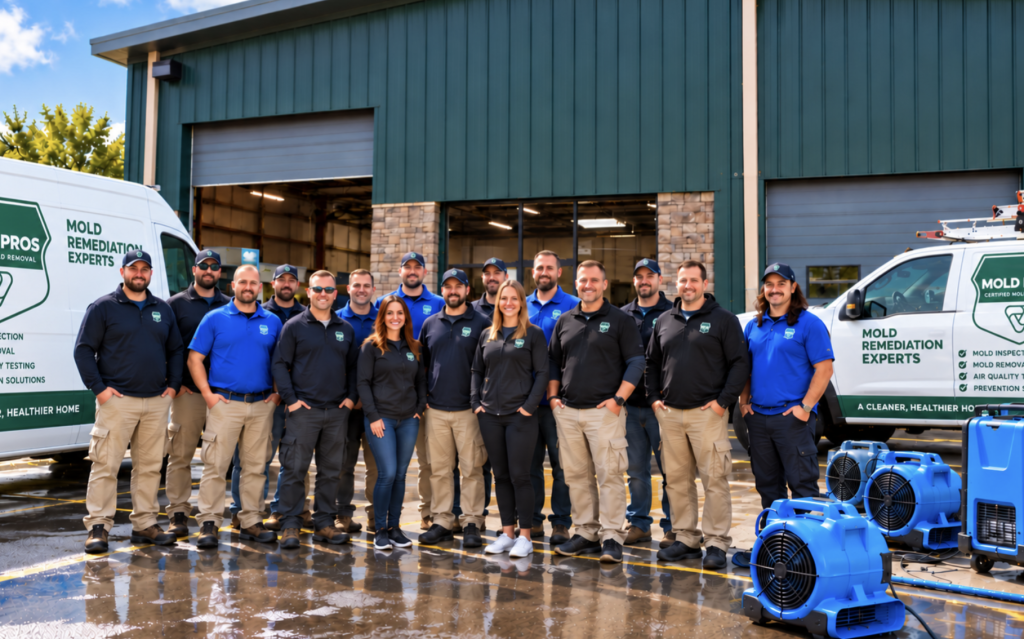
Finding mold in your home or business can make the next step feel unclear. Our team at Marysville Mold Remediation Pros helps you understand the source, the affected materials, and the work area before cleanup begins. We use controlled removal methods that protect unaffected rooms and limit the spread of mold dust. The right approach depends on moisture, material type, access, and the size of the affected area. We serve residential and commercial properties throughout Marysville and nearby Snohomish County communities.
What Happens During Professional Mold Removal
We begin by reviewing where moisture entered and how far the damage appears to extend. Common sources include roof leaks, plumbing failures, condensation, and water intrusion around foundations or windows. Source control comes first because new moisture can cause cleaned areas to become affected again. We also look for hidden moisture in wall cavities, crawl spaces, utility areas, and mechanical rooms.
Before removal starts, we plan the work area around the affected materials and nearby occupants. Containment means using plastic walls or barriers to keep mold dust from spreading into clean spaces. We use personal protective equipment and HEPA air scrubbers when the scope requires them. A HEPA air scrubber filters fine particles from the air while work is underway.
Our crew protects pathways and unaffected surfaces before disturbing materials. We remove affected materials carefully instead of tearing into a wall without a plan. Waste is handled in a way that limits dust and debris during movement through the building. The finished work area is then cleaned according to the material and the approved scope.
What Gets Cleaned and What Gets Removed
Porous materials soak up water and often hold mold below the visible surface. Drywall, insulation, carpet, and some subflooring may need removal when growth or water damage has penetrated them. Removal is not automatic for every material, so we consider the extent of damage and whether the material can be cleaned safely. This distinction helps control costs and prevents unnecessary demolition.
Hard, nonporous surfaces such as concrete, metal, glass, and some finished tile often respond to careful cleaning. Framing may require detailed cleaning and drying when it remains structurally sound. Wood components also need attention to surface condition, moisture level, and access. We do not treat every surface with the same product or method.
Carpet and pad require special care because fibers and backing can retain moisture and debris. Insulation often presents a different challenge because it is difficult to clean fully after contamination. Attic and crawl-space work may involve tight access, low airflow, and insulation or vapor-control concerns. Subflooring requires careful drying before new flooring covers the surface.
People often call dark growth “black mold,” but color alone does not identify a species. The safe response is to address the moisture and follow an appropriate cleanup plan rather than rely on appearance. We focus on the affected materials and the conditions that allowed growth. Questions about personal health should be directed to a doctor or public-health authority.
How Marysville Properties Shape the Cleanup Plan
Marysville properties face different moisture conditions, so the work plan must fit the building. Winter rain can leave exterior materials damp for longer periods when leaks or drainage problems are not corrected. Low-lying areas near Ebey Slough, Quilceda Creek, Allen Creek, and retention ponds can face localized water exposure. Indoor condensation also deserves attention when ventilation, insulation, or humidity control is inadequate.
A home may need focused work around a bathroom, roof edge, crawl space, or concealed pipe. Apartments and condos require added care around shared walls, floors, ceilings, and building systems. We coordinate the work area so nearby residents and clean units face less disruption. Commercial buildings often require planning around employees, customers, inventory, and operating hours.
Smokey Point includes commercial and light-industrial properties with large roofs, loading areas, and mechanical systems. Those features create different inspection and containment concerns than a small residential room. Manufacturing, warehousing, and office areas may also have several connected zones that need separation. The goal is to control the affected area without treating unrelated parts of the building.
What the Work Area May Look Like
During removal, you may see plastic containment, protective floor coverings, air filtration equipment, and sealed waste bags. These measures help keep dust from traveling through hallways and occupied rooms. Workers may need to open small sections of drywall or other finishes to reach affected materials. The amount of opening depends on the moisture path and the condition behind the visible surface.
Some projects can remain partly occupied when the work area is isolated and the scope is limited. Larger projects may create noise, odors, blocked pathways, or air-quality concerns that make temporary relocation more practical. We discuss access and use of the space before work begins. Your household, tenants, staff, and visitors should avoid entering an active containment area.
Work length depends on the affected area, material removal, drying needs, access, and the moisture source. A small isolated area is different from a wet crawl space or a commercial building with several connected rooms. We avoid promising a fixed schedule before the scope is understood. Delays can occur when hidden damage or continuing moisture is discovered.
Pricing, Job Size, and Insurance Questions
There is no single price for mold remediation because each building has a different scope. Actual costs vary based on affected materials, work-area size, containment needs, access, and the moisture source. Drywall removal in one room is a different job from cleaning framing across a crawl space. An inspection is needed before a final scope and price can be provided.
Material type also affects labor and disposal needs. Removing insulation or carpet can involve different steps than cleaning concrete or finished tile. Tight crawl spaces, attics, and mechanical rooms may require more careful access planning. A larger containment area can also affect equipment, preparation, and cleanup time.
Insurance coverage depends on your policy, the cause of the loss, exclusions, and the documentation your carrier requests. Contact your insurer promptly if a sudden leak or other covered event caused the moisture. Keep photos, repair records, and communication related to the loss. We can discuss the cleanup scope so you know which questions to raise with your adjuster.
Mold remediation and reconstruction are separate parts of many property projects. Removing damaged drywall or flooring does not automatically include installing new finishes. After the area is clean and dry, reconstruction should match the building’s needs and any required permits. Marysville property owners can review local permit information through the City of Marysville Permit Services page.
When You Are Unsure What to Do First
Stop active water if it is safe, and avoid disturbing suspicious materials before the work area is planned. Do not scrub large affected areas or run fans that could spread dust into clean rooms. Move undamaged belongings away from the source without carrying visibly affected items through the building. If occupants have health concerns, ask a medical professional for personal guidance.
We do not perform mold testing. Independent testing or assessment can be useful when the extent or type of a problem needs independent documentation, and our mold warning signs guide explains testing choices and DIY limits in more detail. Testing is not a substitute for correcting a leak or other moisture source. The cleanup plan still depends on affected materials, moisture conditions, and safe work practices.
Call Marysville Mold Remediation Pros at (360) 644-5810 when you need help understanding a suspected mold problem. We can discuss the visible conditions, the building type, and the areas that concern you. Our company is listed as IICRC Certified and BBB Registered in the supplied business information. A clear conversation helps you decide what should happen next without making the problem harder to manage.
Frequently Asked Questions
Can mold removal fix the cause of the moisture?
Cleanup addresses affected materials, but the moisture source must also be corrected. A roofer, plumber, drainage contractor, or HVAC professional may handle that repair. We can identify conditions that should be addressed before or during remediation. The building should remain dry after cleanup to reduce the chance of recurrence.
Do all moldy materials need to be thrown away?
No, the material and the depth of contamination both matter. Some hard surfaces and sound framing can receive careful cleaning. Porous materials with deep growth or water damage often require removal. The work plan should explain why each material is cleaned, removed, or left in place.
Can my family or employees stay in the building?
Occupancy depends on the work area, containment, equipment, access, and the building’s use. A small isolated project may allow people to remain outside the contained space. Larger projects can require temporary relocation because of noise, odors, blocked routes, or airborne dust concerns. We discuss these practical limits before work starts.
Why is visible mold sometimes smaller than the actual problem?
Visible growth shows only the surface where conditions became favorable. Moisture can travel behind drywall, under flooring, or into insulation before signs appear. A roof, plumbing, or condensation problem can also affect more than one room. That is why source location and material condition matter during planning.